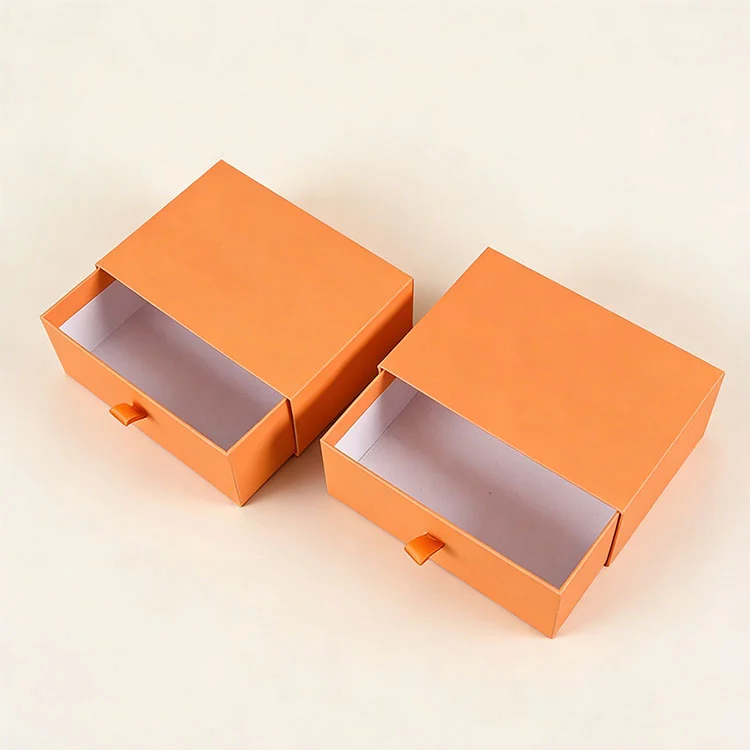

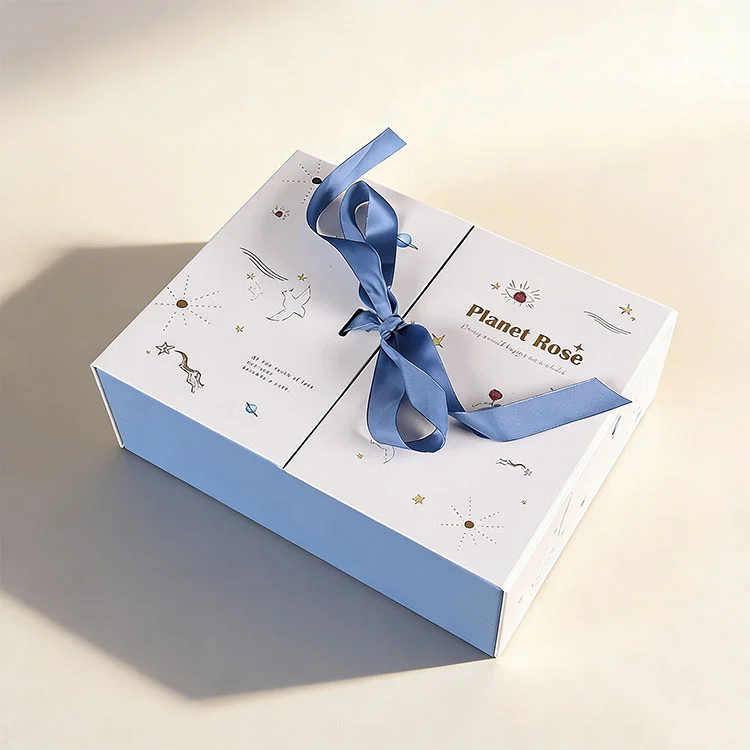
Bonnie offers the Foldable Double-opening Packaging Box as a versatile packaging solution for brands seeking an elegant presentation, convenient storage, and distinctive customer experiences. Combining a symmetrical opening structure with a foldable design and customizable ribbon decoration, this packaging format helps businesses present gifts, beauty products, jewelry, and retail collections with a more refined appearance while optimizing packaging storage and transportation.
Article Summary: A Foldable Double-opening Packaging Box combines two-sided access, space-saving construction, and flexible customization in one practical packaging solution. This article explores its key features, material options, branding opportunities, applications, and purchasing considerations to help businesses determine whether this design suits their products and commercial objectives.
1. What Is a Foldable Double-opening Packaging Box?
2. Why Choose a Double-opening Packaging Design?
4. Materials and Customization Options
5. Applications Across Different Industries
6. Comparison with Traditional Packaging Boxes
7. How to Select the Right Packaging Box
A Foldable Double-opening Packaging Box is a packaging solution designed with two opposing opening panels and a structure that can be folded when the box is not in use. Unlike conventional boxes that rely on a single lid, this format creates a balanced opening experience that can reveal the contents in a more deliberate and visually appealing way.
The design combines two practical functions. First, the double-opening structure supports convenient access and distinctive product presentation. Second, the foldable construction helps reduce the space occupied by empty packaging during storage and transportation.
Bonnie incorporates ribbon decoration into this packaging concept, allowing brands to choose materials such as satin, linen, and organza according to their preferred aesthetic. A glossy ribbon can reinforce a luxurious appearance, while linen-inspired textures may suit brands that prefer a natural, understated presentation.
For businesses developing premium packaging, the combination of folding functionality, coordinated decoration, and customized printing makes this box an option worth considering. Its final performance depends on the selected materials, structural specifications, product dimensions, and assembly requirements.
Packaging influences how customers perceive a product before they begin using it. A carefully designed opening mechanism can create anticipation, improve product visibility, and make the overall presentation feel more intentional.
A double-opening box offers several advantages for brands that want to distinguish their products from ordinary retail packaging.
These benefits are especially relevant to businesses selling products where presentation contributes to perceived value. However, the structure should always be evaluated against product protection requirements, assembly procedures, and the intended distribution environment.
The two-sided opening design creates a recognizable appearance and offers an alternative to conventional lid-based packaging. It can frame the product reveal and support attractive arrangements for coordinated gift sets, accessories, and selected retail products.
For brands that rely on product photography, gift presentation, or in-store displays, this structure can also create a consistent visual theme across packaging collections.
Storage efficiency is an important consideration for companies that purchase packaging in bulk. Fully assembled boxes can occupy substantial warehouse space even when empty. A foldable design helps reduce this issue by allowing packaging to be stored in a more compact form before use.
Businesses should confirm the folded dimensions, assembly process, crease durability, and storage requirements with their supplier. These details help determine the actual logistical benefits for a specific order.
Ribbon is both a functional finishing detail and a branding opportunity. Its color, texture, width, and tying style can influence the overall appearance of the packaging.
The exterior of a Foldable Double-opening Packaging Box can be adapted to different branding objectives through appropriate printing and finishing techniques. Depending on the selected material and production process, available options may include matte or glossy lamination, varnishing, UV coating, embossing, and foil stamping.
These treatments can help distinguish a product line, improve the visual presentation of a logo, or create a tactile contrast between different packaging elements. For the best result, artwork and finishing choices should be evaluated together with the box structure and intended use.
Material selection influences the appearance, rigidity, weight, print quality, and cost of a packaging box. The appropriate specification depends on the product being packaged and the expectations of the target market.
Bonnie's packaging options include paperboard, corrugated board, coated paper, and decorative ribbon materials. The final combination should be confirmed according to the selected design and production requirements.
| Customization Area | Potential Options | Key Consideration |
|---|---|---|
| Box Material | Paperboard, corrugated board, coated paper | Balance appearance, rigidity, and budget |
| Dimensions | Customized length, width, and height | Ensure an appropriate product fit |
| Ribbon | Satin, linen, organza, coordinated colors | Match the brand's visual identity |
| Printing | Logos, brand names, graphics, promotional messages | Maintain clear and consistent branding |
| Surface Finishing | Matte or glossy lamination, embossing, foil stamping, UV coating | Achieve the desired visual and tactile effect |
| Interior Design | Customized lining or product inserts where supported | Improve product positioning and presentation |
| Color | Brand-specific and campaign-based colors | Maintain consistency across product ranges |
Before approving a production order, businesses should request confirmation of the available materials, printing methods, structural details, and finishing combinations. A physical sample can help verify color appearance, closure behavior, product fit, and the overall unboxing experience.
The adaptable structure and decorative potential of a Foldable Double-opening Packaging Box make it suitable for multiple product categories. The exact application depends on box dimensions, material strength, internal support, and the level of protection required.
Jewelry, watches, and selected fashion accessories often benefit from packaging that emphasizes presentation. Coordinated ribbon decoration, customized printing, and suitable interior inserts can help organize small items and create a more polished display.
Skincare collections, cosmetic gift sets, and beauty accessories can use double-opening packaging to present complementary products together. Brand colors and carefully selected finishes can reinforce a consistent visual identity across a product range.
Businesses preparing client gifts, employee appreciation packages, or event merchandise may use customized boxes to reflect a company identity. Printed logos, campaign artwork, and coordinated ribbons can help align packaging with the occasion.
Festive colors, decorative ribbons, and themed graphics make this box format suitable for selected birthday, wedding, anniversary, and holiday gifts. A reusable, well-designed box may also extend its usefulness beyond the original purchase.
For selected retail goods, packaging can support product differentiation in store displays and online photography. E-commerce businesses should also assess protective inserts, outer shipping cartons, and handling conditions to ensure that decorative packaging remains presentable throughout delivery.
For fragile, heavy, perishable, or highly sensitive products, the packaging specification should be assessed carefully rather than selected on appearance alone.
Different packaging structures serve different commercial purposes. A Foldable Double-opening Packaging Box emphasizes presentation and storage convenience, while conventional designs may prioritize simplicity, stacking strength, or straightforward packing operations.
| Comparison Factor | Foldable Double-opening Box | Traditional Single-lid Box |
|---|---|---|
| Opening Structure | Two opposing opening panels | Usually one primary lid |
| Unboxing Experience | Distinctive, presentation-focused opening | Familiar and straightforward |
| Storage Before Assembly | Can be stored in a folded form | Depends on the construction |
| Decorative Potential | Supports coordinated ribbon and custom finishes | Varies by design |
| Assembly Requirements | Requires folding and structural setup | Depends on the box type |
| Best-fit Applications | Premium gifts, coordinated sets, presentation-led products | General retail and everyday packaging |
The best option depends on the balance between appearance, protection, operational efficiency, and total packaging cost. Businesses should consider not only the unit price but also storage volume, assembly labor, packing speed, shipping requirements, and the expected customer experience.
Choosing packaging is a practical design decision that affects product presentation and day-to-day operations. The following steps can help buyers develop a specification that meets both branding and functional needs.
Measure the product's length, width, and height, including accessories that will be packed together. Allow appropriate clearance for inserts and protective materials. An accurate internal layout helps prevent unnecessary movement while ensuring that products can be removed conveniently.
Consider whether the box is intended for luxury gifting, everyday retail, promotional campaigns, or coordinated product sets. This decision helps guide the choice of material, ribbon, printing, and surface treatment.
Confirm whether the boxes will be stored flat or folded, assembled at a warehouse, or shipped directly to a packing facility. Review the outer shipping carton, stacking arrangement, and handling conditions to establish whether the selected structure is appropriate.
Customization choices can affect unit costs, tooling requirements, production complexity, and lead times. Ask the supplier to explain how different materials, finishes, order quantities, and structural options influence the quotation.
A pre-production sample allows buyers to evaluate dimensions, assembly, ribbon placement, printing quality, and product fit before committing to a full order. Confirm the approved specifications and quality expectations in writing to support consistency during production.
A capable packaging supplier should be able to discuss structural design, material selection, printing, finishing, and quality inspection. Bonnie provides customized packaging solutions, making it worthwhile for buyers to discuss their requirements directly and confirm the options available for their particular project.
It is a packaging box with two opposing opening panels and a foldable construction. The design combines a distinctive product presentation with more compact storage before assembly.
Yes. Dimensions can be discussed according to the product size and packaging requirements. Buyers should provide accurate measurements and confirm the internal layout, insert requirements, and structural specifications before production.
Bonnie offers ribbon decoration options such as satin, linen, and organza. The suitable material depends on the desired texture, appearance, color scheme, and overall packaging design.
Custom branding can be discussed, including logos, brand names, graphics, and promotional messages. The available printing and finishing methods should be confirmed based on the selected material and design.
Yes. The symmetrical opening structure, ribbon decoration, and customization options make it suitable for many presentation-focused applications, including jewelry, beauty products, corporate gifts, and seasonal gift sets.
It can reduce the space occupied by empty packaging compared with fully assembled boxes of a similar design. Actual savings depend on the folded dimensions, packing arrangement, and storage conditions.
Start with the product's weight, fragility, dimensions, and intended market. Then compare material rigidity, surface appearance, printing compatibility, protective inserts, and budget. Requesting a sample is a practical way to assess the final result.
Prepare the product dimensions, preferred material, box quantity, logo artwork, ribbon preferences, finishing requirements, delivery destination, and target delivery date. Providing these details helps the supplier evaluate the project and recommend a suitable configuration.
A well-designed Foldable Double-opening Packaging Box can do more than contain a product. It can create a memorable opening experience, support a consistent brand identity, and improve storage efficiency when empty packaging is folded before use. With suitable materials, coordinated ribbon decoration, customized printing, and a carefully planned internal layout, businesses can develop packaging that balances appearance with practical requirements.
The right solution begins with understanding the product, customer expectations, distribution process, and budget. By confirming dimensions, evaluating samples, and specifying customization details before mass production, buyers can make more informed packaging decisions and achieve a result that supports their commercial goals.
Looking for a customized Foldable Double-opening Packaging Box for your next product launch, gift collection, or retail packaging project? Bonnie can help you explore suitable materials, ribbon styles, printing options, and structural specifications for your requirements. Visit the Foldable Double-opening Packaging Box product page to learn more, and contact us today to discuss your packaging needs, request a customized quotation, and develop a packaging solution that reflects your brand identity.
Copyright © 2026 Bonnie Crafts Factory All rights reserved.